
• What are the Most Dangerous Airports in the World?

    A list of the rarest and most extreme!

Commercial aviation is widely recognized as the safest mode of transport in the existence, largely due to rigorous standardization. However, geography and meteorology don’t always cooperate with flight operations.

There are destinations where the runway is short, the wind is unpredictable, or mountains guard the approach. In the industry, we call these “technically complex” environments, though they are often searched for online as dangerous airports.

In this post, we analyze what makes an airport a challenge for aviators, and why the famous Madeira Airport tops the lists of the most respected approaches by pilots worldwide.
What are Category C Airports?

To understand the complexity of a landing, we must look at the official classification.

Aviation authorities classify airports based on the complexity of their operations. This classification determines the specific training a flight crew needs:

✔︎ CATEGORY A: Standard airports with no special difficulties (e.g., Madrid – MAD; Malaga – AGP). Click the following link to learn more about airport codes.

✔︎ CATEGORY B: Airports with certain peculiarities that require prior study and a specific briefing.

✔︎ CATEGORY C: These present the highest level of complexity. These are airports that require specific simulator training and recent experience. Furthermore, take-offs and landings must usually be performed by the Captain, not the First Officer.

Madeira Airport (Funchal): Is It Really the Most Dangerous Airport?

If you search for “dangerous airports” or “extreme landings“, you will likely find countless videos of aircraft performing go-arounds at the last second in Madeira. There is a reason for this.

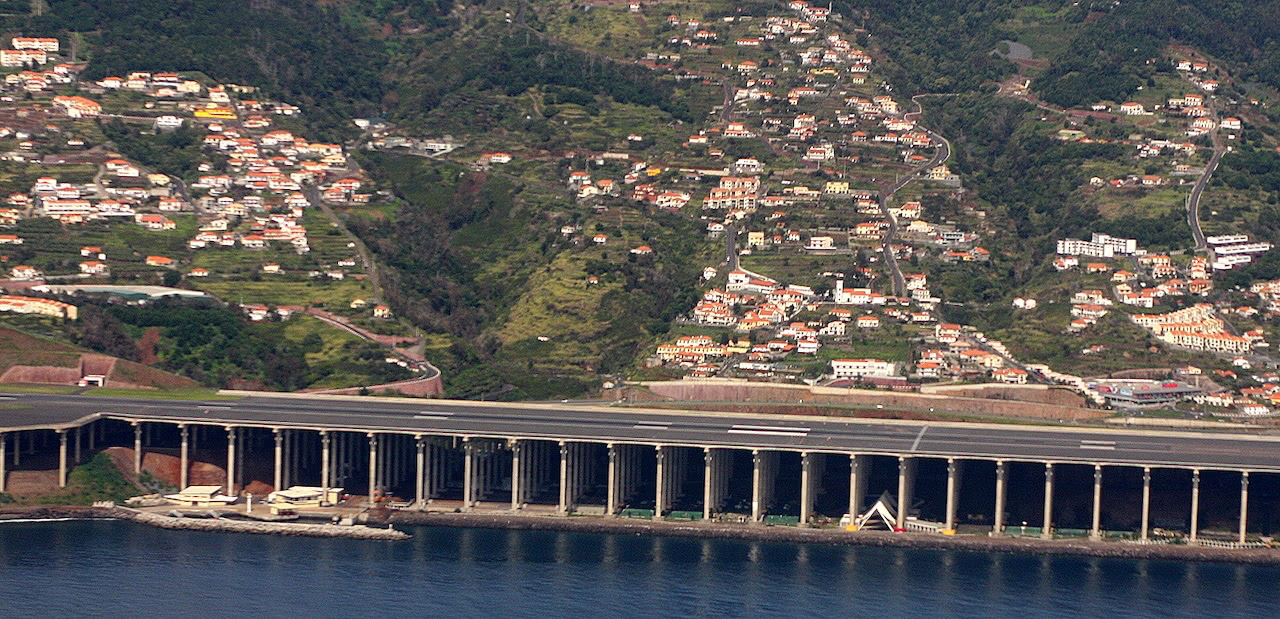
The Cristiano Ronaldo International Airport is a textbook example of a Category C airport.

Its original runway was so short that it limited operations, leading to a monumental engineering project to extend it over the ocean on 180 concrete pillars. While the length is now sufficient, the main challenge persists: the wind.

Located on the side of a cliff, the airport is subject to turbulence and windshear. Pilots must execute a curved visual approach and manage crosswinds that can change intensity in seconds.

Regulations dictate that only specifically certified captains (having undergone intensive training) are authorized to land here.

But what if we told you that Funchal is NOT the most dangerous airport in the world? Keep reading!

The World’s Most Complex Approach: Lukla Airport (Nepal)

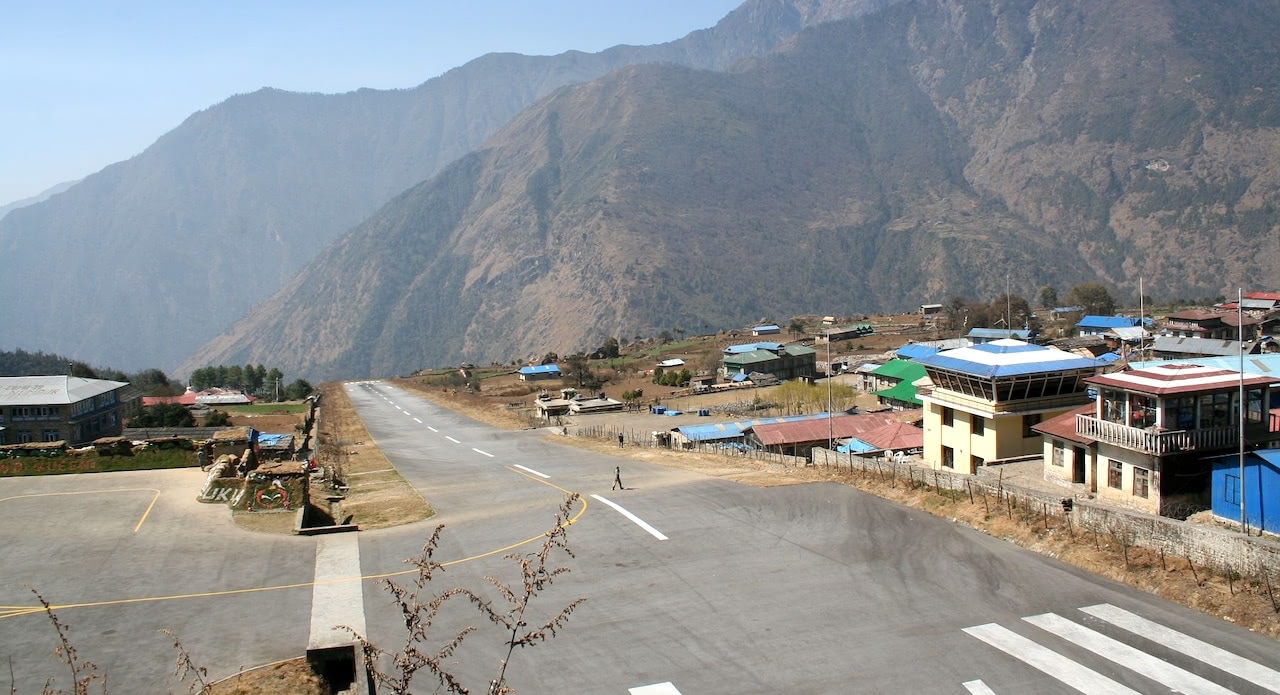
Here, operational demands are at their peak. The Tenzing-Hillary Airport in Lukla often tops the lists of dangerous airports due to its unique characteristics.

It is the gateway to Mount Everest and presents a unique combination of factors:

  • ALTITUDE: At 2,845 meters (9,334 ft), air density is lower, which affects aircraft performance and requires higher approach speeds.
  • THE RUNWAY: It is a mere 527 meters long (1,729 ft) with a 12% gradient that helps slow the aircraft after landing.
  • PROCEDURE: Unlike Madeira, the terrain configuration at Lukla (a rock wall at the end and a deep valley at the start) makes a “go-around” procedure impossible on final approach. This demands that the approach be stabilized and perfect from the very beginning; decision-making must be flawless before reaching the commitment point.

You might wonder how flying is permitted in such an environment. Is it safe?

The reality is that at Lukla, flights are only permitted under perfect visibility conditions and with specific aircraft types. If the meteorology does not offer absolute guarantees, flights are cancelled immediately to ensure safety.

Other Dangerous Airports That Challenge Even the Most Expert Pilots

Beyond Madeira and Lukla, there are other destinations that require special expertise and complete our list of extreme, rare, or challenging airports:

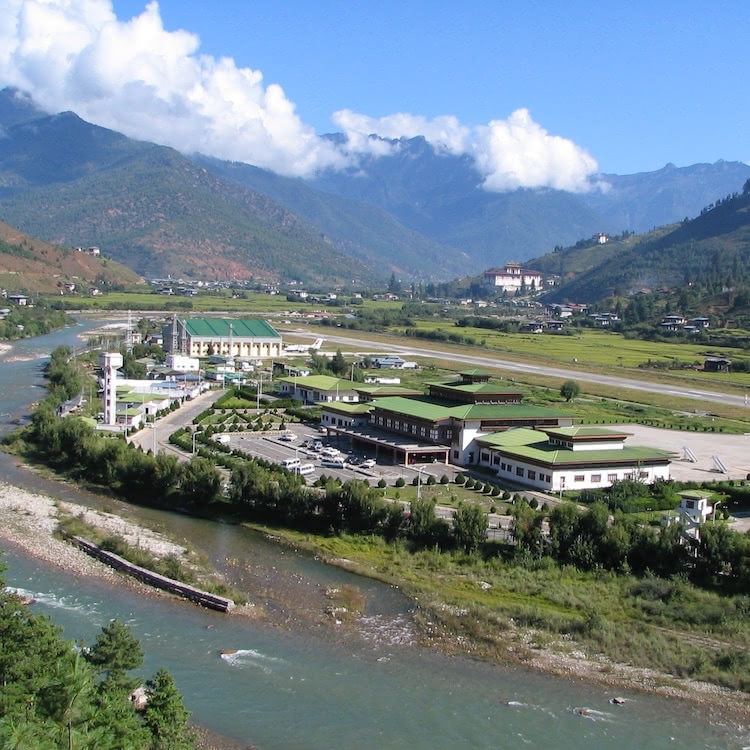
Paro Airport (Bhutan)

Situated in a deep valley in the Himalayas, the approach to Paro is entirely visual, meaning standard instrument landing systems (ILS) cannot be used on the final leg.

Why is it on the list? Pilots must maneuver between 5,000-meter peaks, making sharp turns until seconds before touchdown to align with the runway.

It is said that only a select number of pilots in the world are certified to operate here.

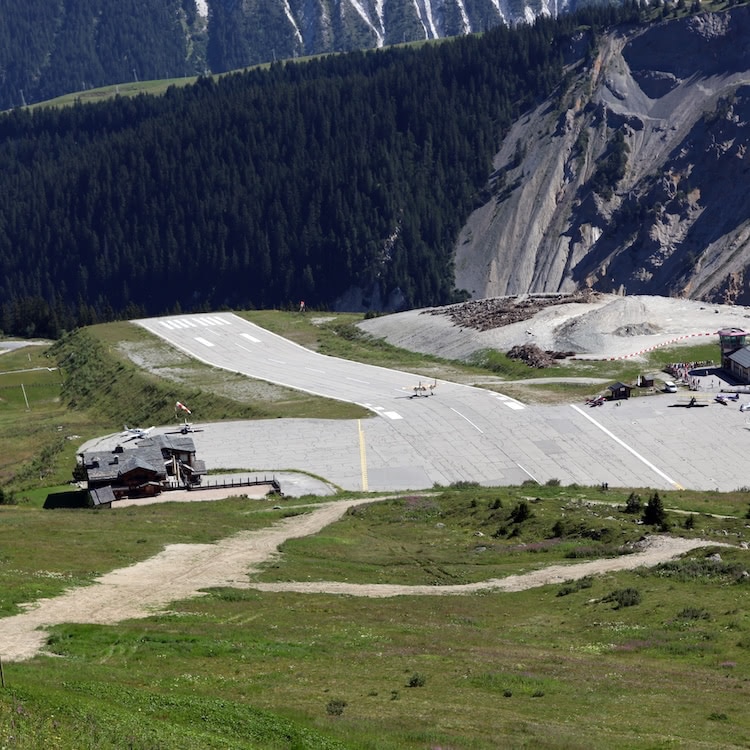
Courchevel Airport (France)

A classic among unique airfields and considered one of the most dangerous airport in Europe. Located in the French Alps, it serves an exclusive ski resort.

Why is it on the list? It features a runway of just 537 meters with a gradient of 18.6%. Additionally, it has no airport lighting or instrument procedures, so operations are only conducted in perfect visibility.

Power management during the climb is critical to avoid stalling before clearing the ridge.

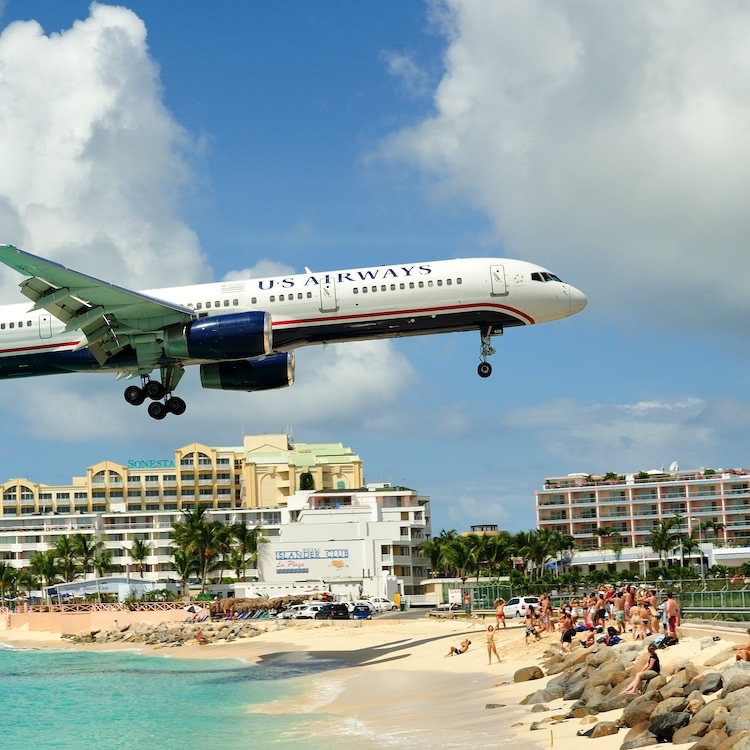
Princess Juliana Airport (St. Maarten)

Famous for photos of tourists on Maho Beach, this is one of the most viral airports.

Why is it on the list? Wide-body aircraft pass at very low altitude over the coast to maximize the available runway distance. This means aircraft pass just meters above beachgoers.

This requires absolute situational awareness to ensure the landing gear touches down exactly at the designated contact point.

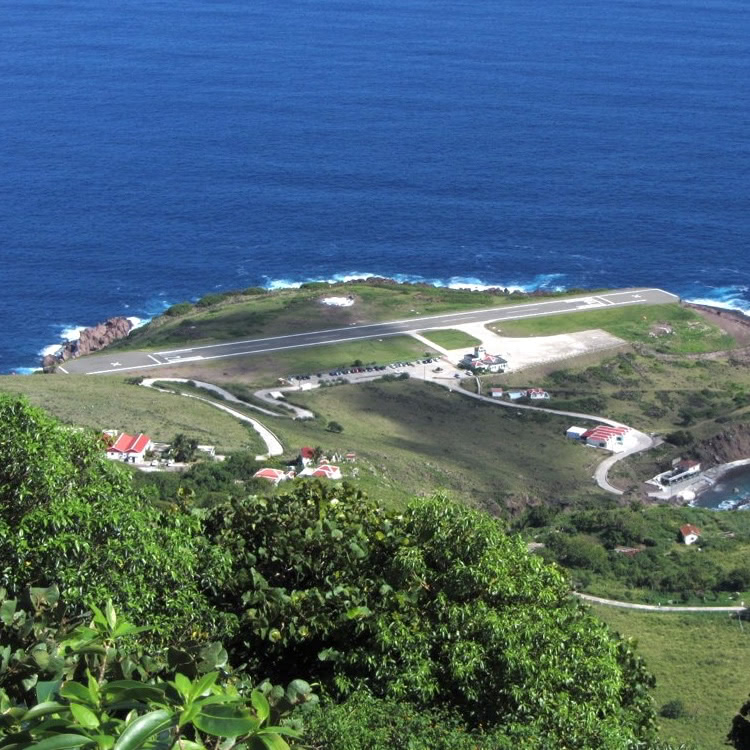
Juancho E. Yrausquin Airport (Saba)

We are looking at the shortest commercial runway in the world, with only 400 meters of usable length.

Why is it on the list? Besides the short length, it is flanked by cliffs on both ends. Understanding aircraft braking performance is critical here, as the margin to stop the aircraft safely is minimal.

Only STOL (Short Take-Off and Landing) aircraft with expert crews can operate here.

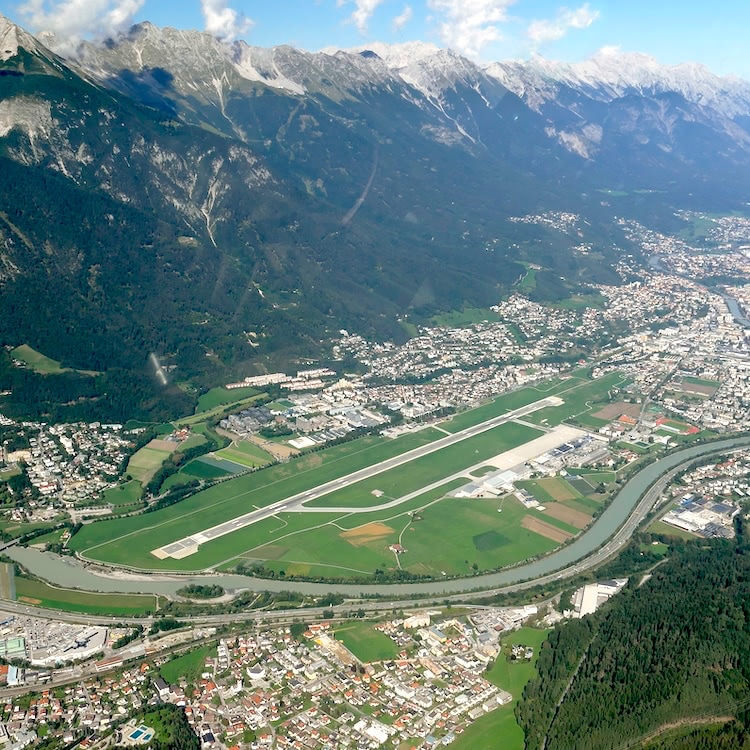
Innsbruck Airport (Austria)

Why is it on the list? It requires a steep descent into a valley where the wind often changes direction and intensity drastically (Föhn effect).

The missed approach procedure is extremely complex due to the mountainous walls surrounding the airfield.

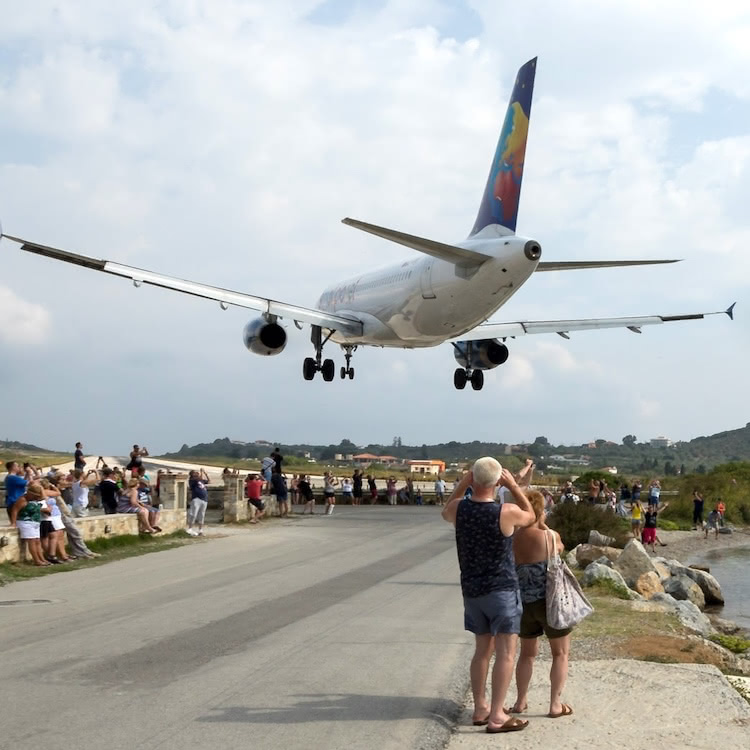
Skiathos Airport (Greece)

Very popular among aviation enthusiasts, we could call it the “European St. Maarten”.

Why is it on the list? The runway on the island of Skiathos is short and bounded by the sea at both ends, requiring pilots to maximize the runway length for both landing and take-off.

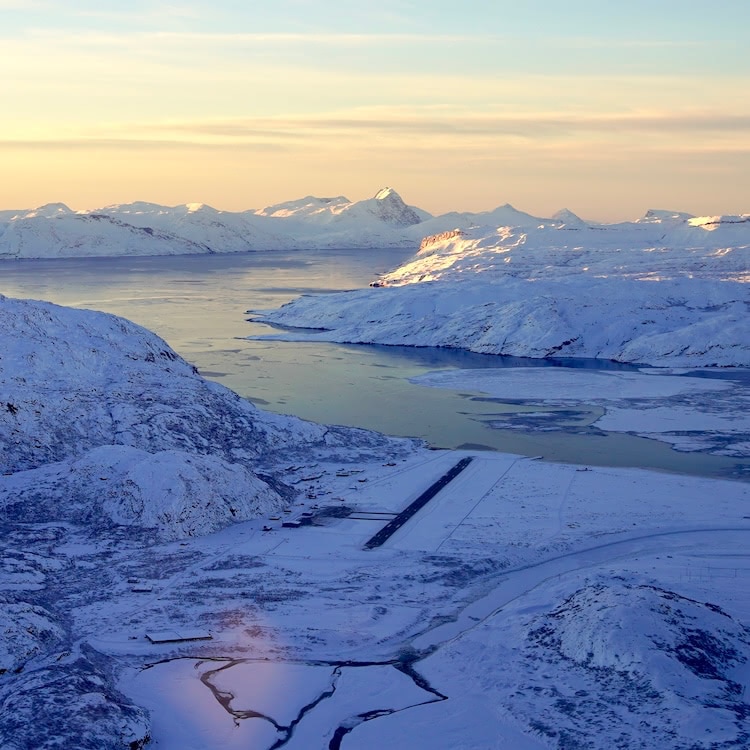
Narsarsuaq Airport (Greenland)

Here we start with a naturally demanding environment, similar to operations in Antarctica.

Why is it on the list? The approach through a fjord is combined with changeable weather conditions and low temperatures, obliging crews to be very vigilant regarding anti-icing procedures and runway conditions.

Dangerous Airports in Spain: Myth or Reality?

While Spain enjoys one of the most modern and safe infrastructure networks in Europe, its topography offers some challenges.

If you search for dangerous airports in Spain, lists often point to the north and the islands.

However, as experts, we must clarify: they are not unsafe (AENA and ENAIRE maintain the highest standards); they are simply airports that require higher concentration and impeccable aircraft management.

But which is the most ‘challenging’ airport in Spain?

If we go by viral videos and popular fame, the answer usually points to Bilbao Airport.

However, if we ask pilots about technical complexity and operational limitations, the debate often centers on La Palma or Melilla. Let’s analyze them:

Bilbao Airport (BIO)

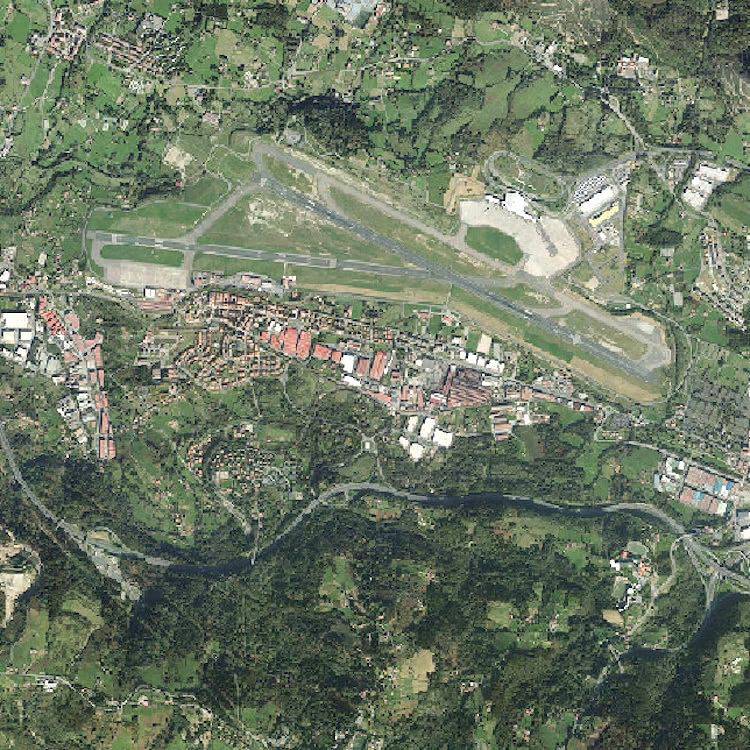
Known as “La Paloma” (The Dove), its location nestled in the Txorierri valley creates a unique aerodynamic phenomenon.

Strong winds from the south are channeled by the mountains, generating turbulence and windshear over the runway.

It often records the highest number of go-arounds and diversions due to weather in the Iberian peninsula.

La Palma Airport (SPC)

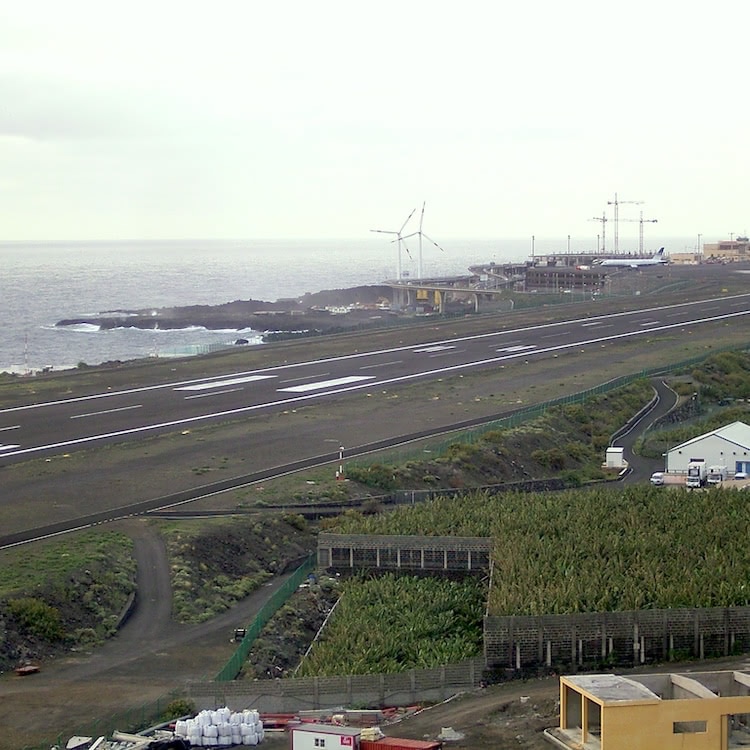
In the Canary Islands, Mazo airport is a real challenge. Located on the slope of a volcanic mountain, it is exposed to trade winds.

The mountain acts as an obstacle, creating mountain waves and downdrafts that can push the aircraft downwards during the critical landing phase.

San Sebastian Airport (EAS)

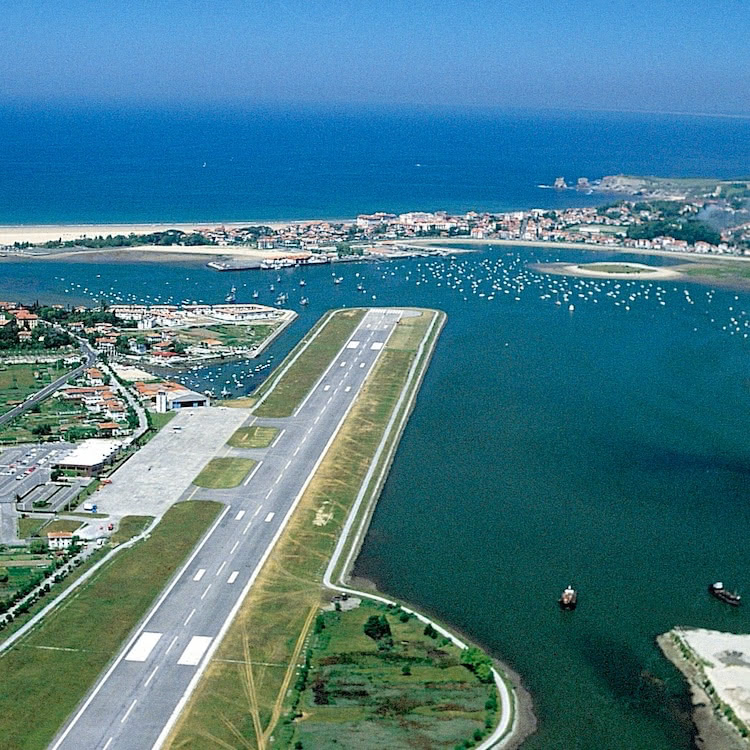
For years, Hondarribia had one of the shortest and most restrictive runways for commercial jets. Although safety areas have been slightly expanded, it remains a demanding scenario.

What is the challenge? The runway is boxed in between the Bidasoa river estuary, the sea, and the town of Irún.

Melilla Airport (MLN)

Often overlooked, Melilla presents serious operational difficulties.

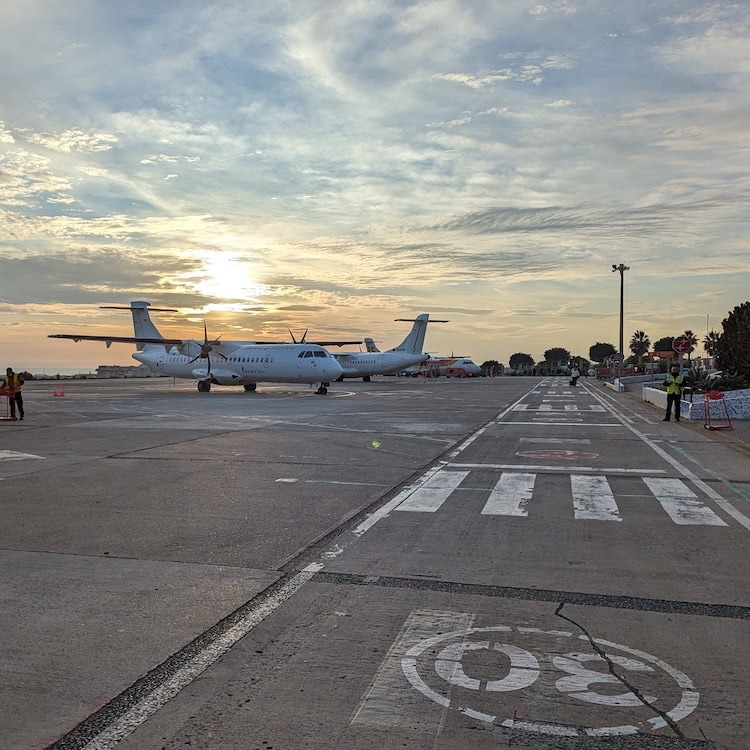
It is an airport of very reduced dimensions, limiting the types of aircraft that can operate there. Its runway is just 1,428 meters. The surrounding terrain and proximity to the border dictate an offset visual approach, requiring a final alignment maneuver at low altitude.

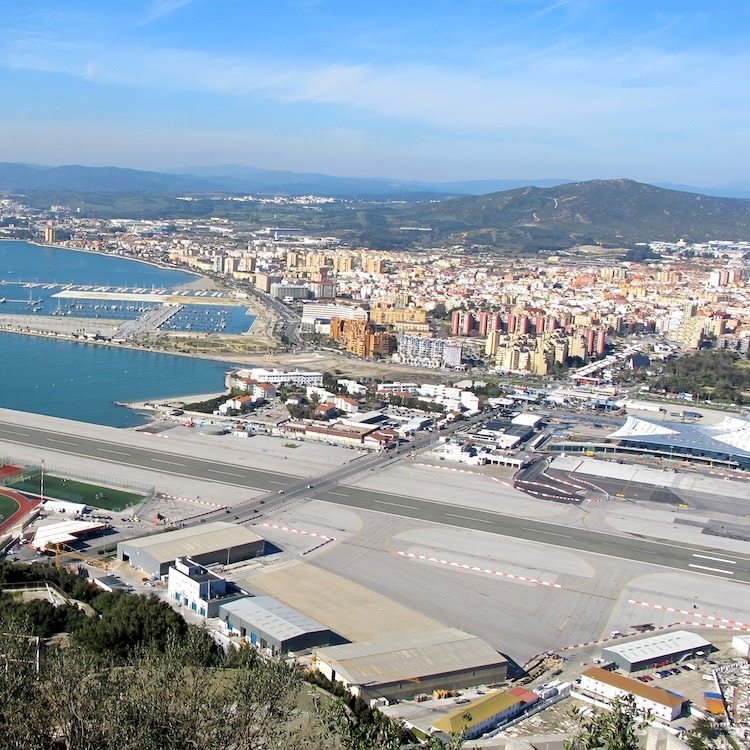
Gibraltar Airport (GIB)

Ok, technically, it belongs to the UK and not Spain, but we simply had to include it!

The Rock of Gibraltar, a frequent destination for our pilots during training, is famous for having one of the most curious airports in the world.

A geographical limitation forced a unique logistical solution: Winston Churchill Avenue crosses the runway at the same level.

Additionally, strong Levante and Poniente winds add a layer of complexity to the approach, requiring technical precision similar to that of a Category B airport.

How does a pilot prepare for the most extreme airports?

Faced with these challenges, the aviation industry’s answer is clear: standardization and training. No pilot operates at a Category C airport without adequate preparation.

At One Air, we train our students with an airline mindset, investing in technology that sets us apart.

That is why our simulator fleet includes the only Redbird Xwind Full Motion unit in Europe, designed specifically to train for crosswind conditions.

Thanks to this technology, our students practice “crabbing” and drift correction techniques necessary to master runways like Bilbao or Madeira before ever stepping into the real aircraft.

Our goal is for future pilots to develop the analytical capacity and manual dexterity so that, in the face of any adverse condition, their response is professional, safe, and effective.

Do you want to be the next pilot to land at one of the world’s most complex airports? Discover our Commercial Pilot Courses and train with us in Malaga, Spain.

You may be interested in…