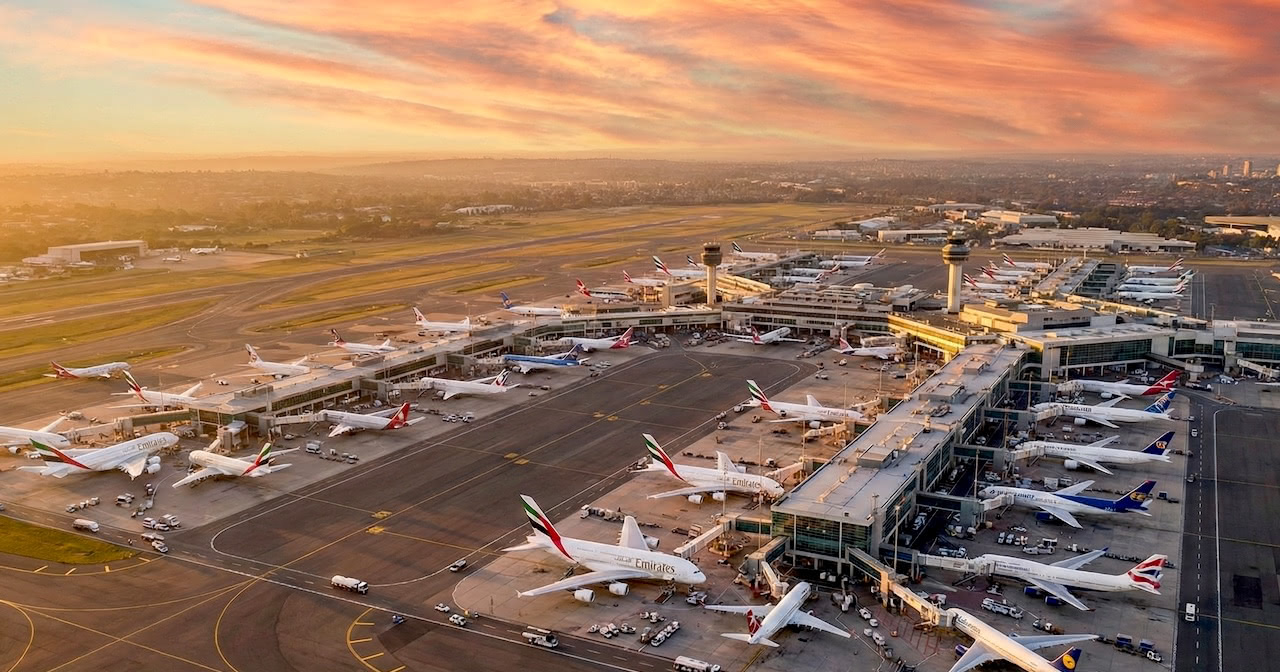
Heavy Traffic
Hubs are the natural habitat of aviation heavyweights (A380s, B777s). Landing or taking off behind these giants means adhering to strict wake turbulence separation minimums.
If you are flying a medium jet (like an A320) and encounter the turbulent wake of a heavy aircraft on short final, it can lead to severe operational disruption. Timing is everything.
Rapid-Fire Communications
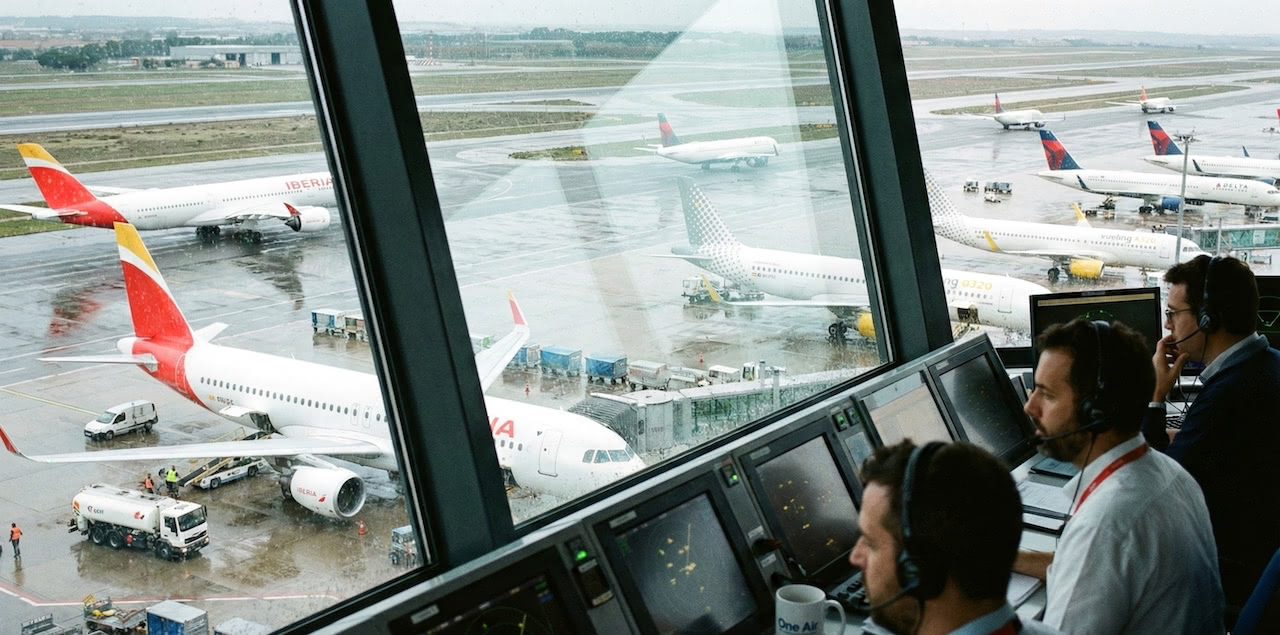
The radio frequency at an airline hub never sleeps. Air traffic controllers at the control tower speak quickly and chain instructions together.
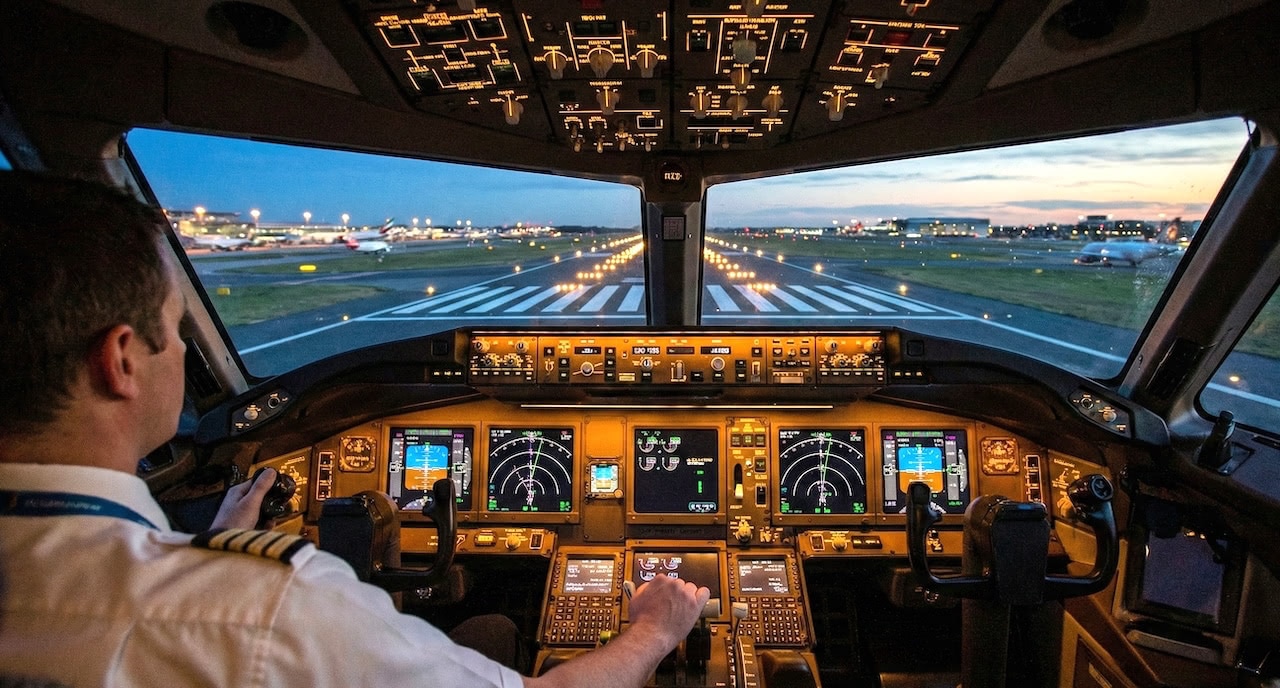
If you miss your readback, you risk delaying the entire sequence. This is where strict radio discipline comes into play: listen, understand, and reply concisely.
However, there are other aerodromes where the challenge is not traffic, but terrain and weather. Do you know which are the most challenging airports in the world and why they require special certification? Find out in the linked post!
Complex Taxiing and ‘Hot Spots’
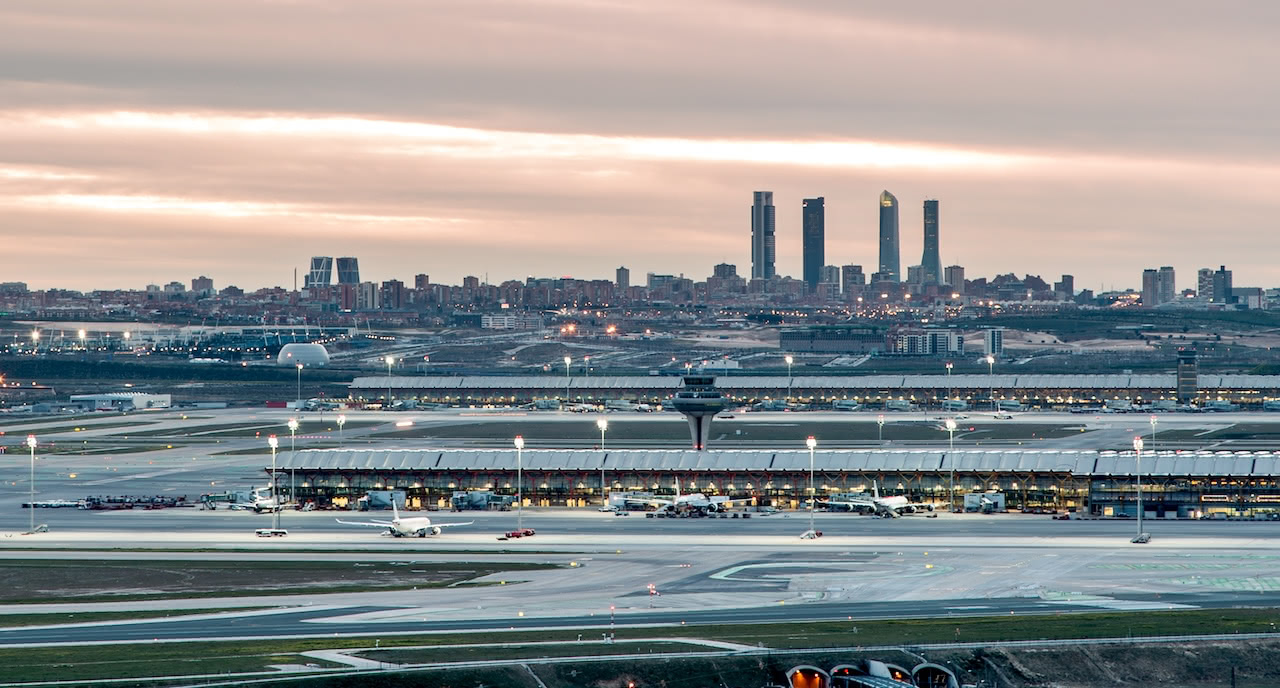
Navigating the airport manoeuvring area at Paris-CDG or Madrid-Barajas can sometimes feel more demanding than the flight itself.
There are endless taxiways, active runway crossings, and complex intersections known as Hot Spots. It requires an in-depth briefing of your aerodrome charts and intense procedural focus.