
• Airport Lights: Essential Guide to What They All Mean

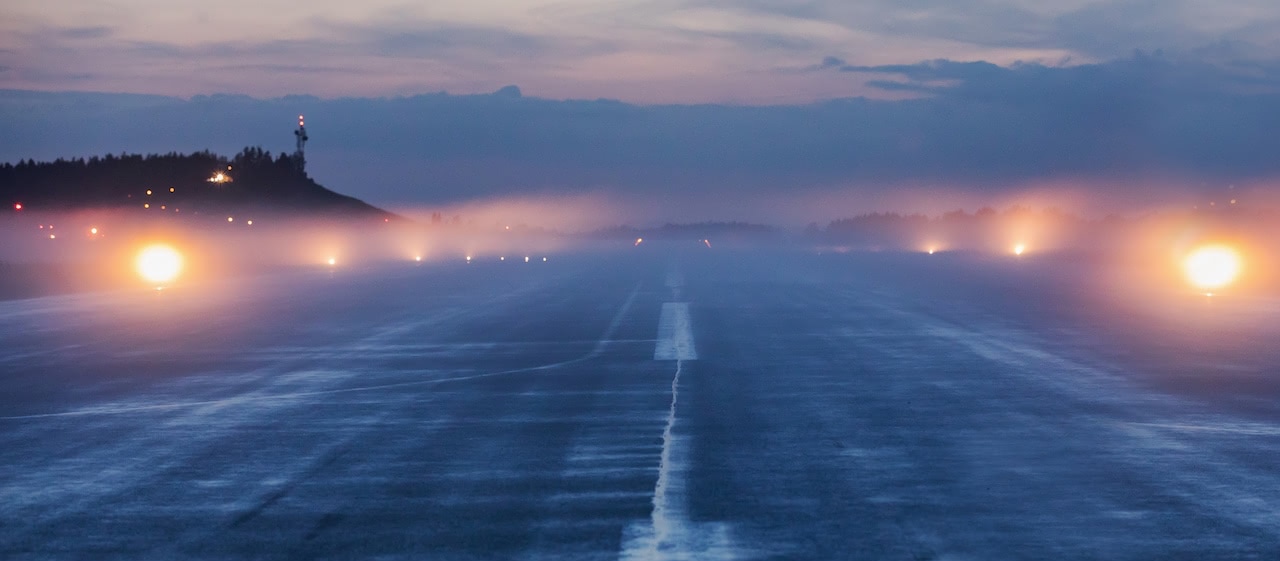
Ever gazed out at an airport runway at night? It’s a mesmerising display – a complex pattern of shimmering lights cutting through the darkness.

But airport lights aren’t just for show; they form a crucial visual language that pilots rely on for safe take-offs, landings, and ground movements.

Here at One Air, we believe understanding this language is fascinating for any aviation enthusiast and absolutely vital for aspiring pilots. So, let’s dim the cabin lights and decode the brilliant world of airport illumination together. Ready for take-off?
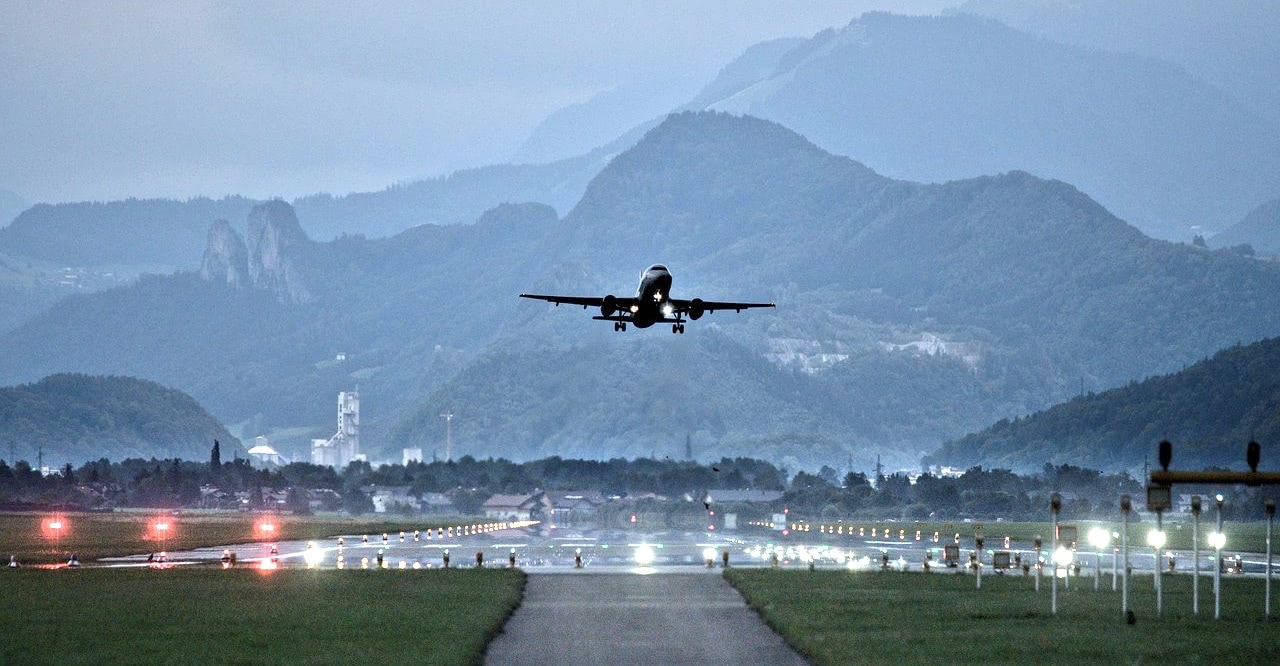
Decoding the glow:

Types of airport lights

Before diving into specific lights, it helps to know the basic ways they’re classified:

By How They Shine:

  • Fixed Lights: Shine continuously. Their brightness might be variable (adjustable for visibility) or non-variable.
  • Flashing Lights: Emit intermittent bursts of light.

By Direction:

  • Omnidirectional: Visible from any angle.
  • Unidirectional: Visible from only one specific direction.
  • Bidirectional: Visible from two opposite directions (often showing different colours depending on the viewing angle).

By Intensity System (Linked to Runway Type):

  • Low Intensity Runway Lights (LIRL): Typically found on runways used mainly for visual flying (VFR).
  • Medium Intensity Runway Lights (MIRL): Common on runways equipped for non-precision instrument approaches.
  • High Intensity Runway Lights (HIRL): Essential for precision instrument approaches (CAT I, II, III), designed to pierce through poor visibility conditions.

Key Lighting Systems in the Runway

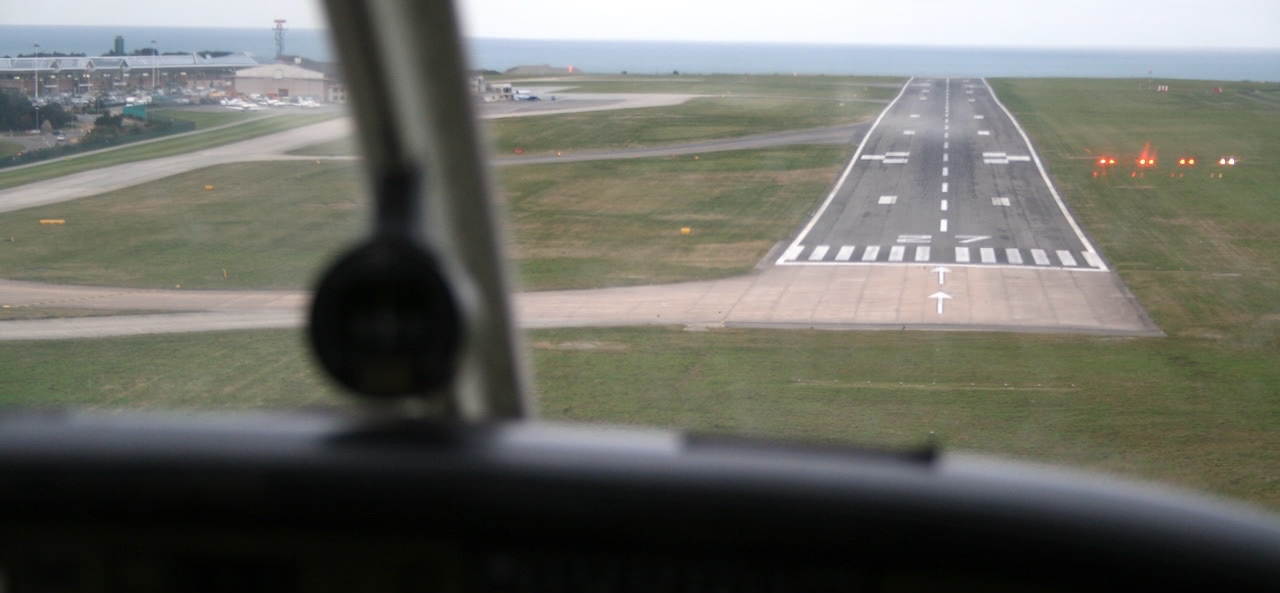
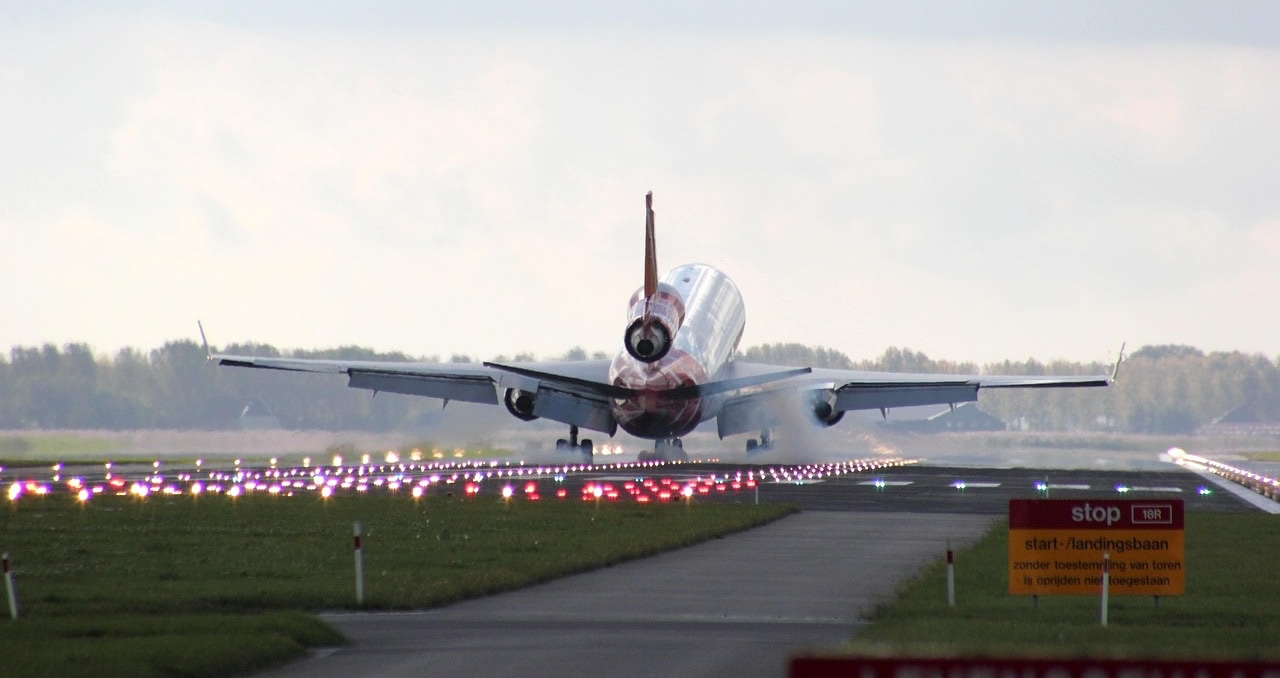
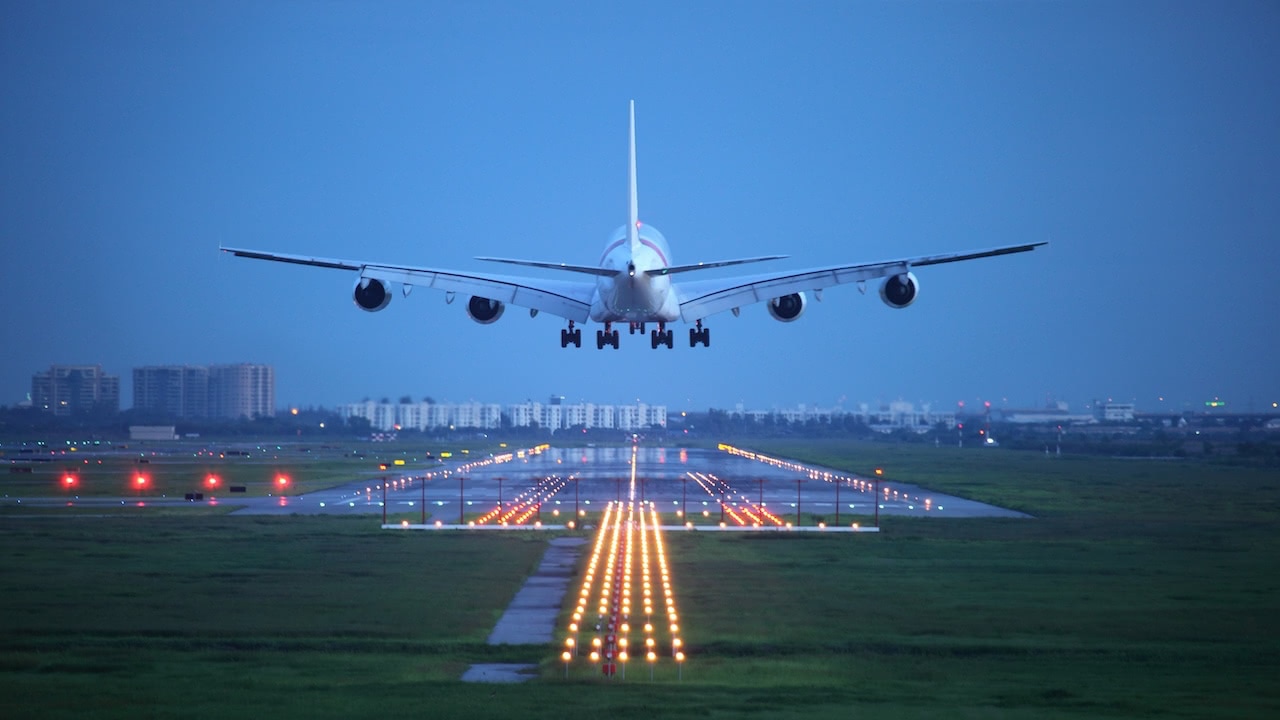
The runway is where the most critical action happens and its lighting is paramount, especially in night flights NVFR.

Threshold Lights

These lights mark the very beginning of the runway section available for landing.

  • What You See: Fixed lights, usually showing green as you approach to land (your signal that the landing surface starts here) and red if viewed from the runway itself (marking the end for aircraft taking off in the opposite direction).
  • Variations: The exact number and arrangement can differ slightly based on the runway type (Visual vs. Precision Approach categories). For CAT II/III runways, they are unidirectional green, spaced precisely.

Runway End Lights (RENL)

Positioned right at the end of the usable runway surface.

  • What You See: Fixed, unidirectional red lights facing aircraft using the runway. They clearly signal the runway’s end.
  • Quantity: Often a bar of 6 or more lights.

Runway Edge Lights

These lights outline the sides of the runway.

  • What You See: Typically white, fixed lights with variable intensity (HIRL, MIRL, LIRL).
  • Caution Zone: On many runways, the edge lights turn yellow for the final 600 metres (or last third, whichever is less) to warn pilots taking off that the end is approaching.

Runway Centreline Lights (RCLL)

Crucial for low-visibility operations (CAT II and III).

  • What You See: Lights embedded in the runway surface, usually fixed and with variable intensity.
  • Colour Sequence: Mostly white, changing to alternating red and white in the final 900 metres, then becoming all red for the last 300 metres – a clear visual cue of the remaining distance.
  • Spacing: Closer together (e.g., 15m) for CAT III than CAT II (e.g., 30m) to provide more precise guidance.

PAPI Lights: Your Glide Path Assistant

The Precision Approach Path Indicator (PAPI) is a vital visual aid for maintaining the correct descent angle.

  • What You See: Usually a bar of four lights beside the runway near the touchdown zone. Each unit cleverly projects a split beam of white light above and red light below.
  • Interpretation (Pilot’s View):
    ⚪⚪⚪⚪ (4 White): Too high above the ideal glide path.
    ⚪⚪⚪🔴 (3 White, 1 Red): Slightly high.
    ⚪⚪🔴🔴 (2 White, 2 Red): On the correct glide path (typically 3 degrees). Perfect!
    ⚪🔴🔴🔴 (1 White, 3 Red): Slightly low.
    🔴🔴🔴🔴 (4 Red): Too low. Immediate correction needed.
  • Why They Matter: PAPI gives instant, intuitive feedback, helping pilots fly a stable, safe approach, especially useful at night or when visibility is poor. It’s a globally standardised system.

Airport Lights for Special Cases

Displaced Threshold

When the landing area starts after the physical beginning of the pavement, edge lights before the threshold show red from the approach direction, and green threshold/wing bar lights mark the actual start point for landing.

Stopway Lights

A stopway is an area beyond the runway end designed for stopping if a take-off is aborted. It’s marked with unidirectional red lights.

Taxiway Lighting

Guiding aircraft safely between the runway and the apron or parking stand is the job of taxiway lights.

Taxiway Edge Lights

Fixed blue lights clearly marking the sides of the taxiway. (Easy mnemonic: Blue for taxiing crew!)

Taxiway Centreline Lights

Fixed green lights embedded along the centre of the taxiway. Spacing can be tighter for low-visibility procedures.

Rapid Exit Taxiway Lights

Indicate taxiways designed for vacating the runway at higher speeds. Often marked with alternating green and yellow centreline lights.

Stop Bars

A row of unidirectional, fixed red lights across the taxiway. They mean HOLD! Do not proceed past this point (usually before entering a runway) until cleared by Air Traffic Control.

Beacons: Guiding Lights from Afar

Aerodrome beacons help pilots identify the airport’s location from a distance.

Aerodrome Beacon

Flashes white and green for civil land aerodromes, or just white if located away from towns/cities (to avoid confusion with other lights). Flashes 20-30 times per minute.

Identification Beacon

Used at some airports (especially near others) to flash the airport’s two-letter identifier in green Morse code, helping pilots confirm they have the right place in sight.

EXTRA: Don’t miss our post on airport codes – do you know how they are chosen?

Keeping the Airport Lights On: Operational Requirements

Safety dictates that a minimum percentage of essential lights must be working for an airport to support certain operations, particularly precision approaches in low visibility. Requirements are stricter for CAT II/III landings than for CAT I, ensuring sufficient visual cues remain even if some lights fail.

Light Signals in an Airport

In the rare event of a radio communications failure, Air Traffic Control can use a signal lamp to give basic instructions via coloured lights:

For Aircraft on the Ground

⚪​ – Flashing White: Return to starting point on aerodrome.

🟢 – Steady Green: Cleared for take-off.

🟢🟢 – Flashing Green: Cleared to taxi.

🔴​ – Steady Red: Stop!

🔴​🔴​ – Flashing Red: Taxi clear of landing area/runway in use.

For Aircraft in Flight

🟢 – Steady Green: Cleared to land.

🟢🟢 – Flashing Green: Return for landing (clearance will follow).

🔴 – Steady Red: Give way to other aircraft and continue circling.

🔴🔴 – Flashing Red: Aerodrome unsafe, do not land.

⚪⚪ – Flashing White: Land at this aerodrome and proceed to apron (confirmation of previous clearance).

🟥 – Red Pyrotechnic: Notwithstanding any previous instructions, do not land for the time being.

Now You Are an Expert on Airport Lights

So, the next time you see an airport lit up at night, you’ll know there’s a complex, vital language being spoken. From the green threshold welcoming aircraft home, to the blue taxiway guides, and the critical PAPI system ensuring a safe descent, every light plays a role in the intricate dance of aviation.

Understanding these systems is just one part of the incredible journey of learning to fly. If you’re inspired to take the controls yourself, explore our Commercial Pilot Course at One Air!

Want to discover more aviation insights? Keep exploring our blog!

You may be interested…