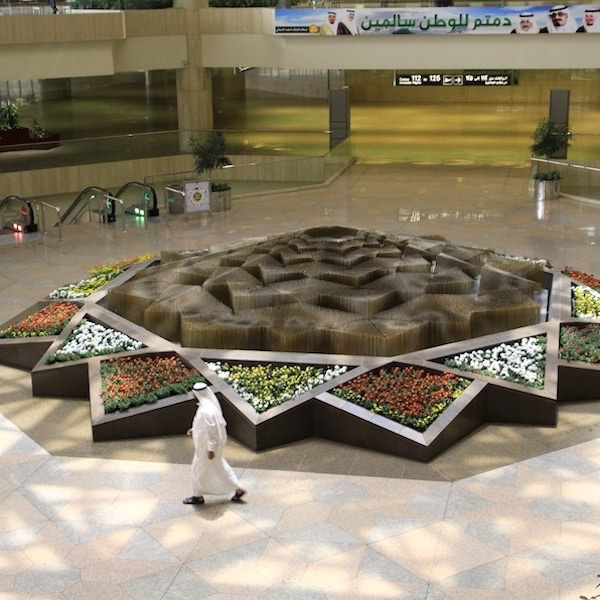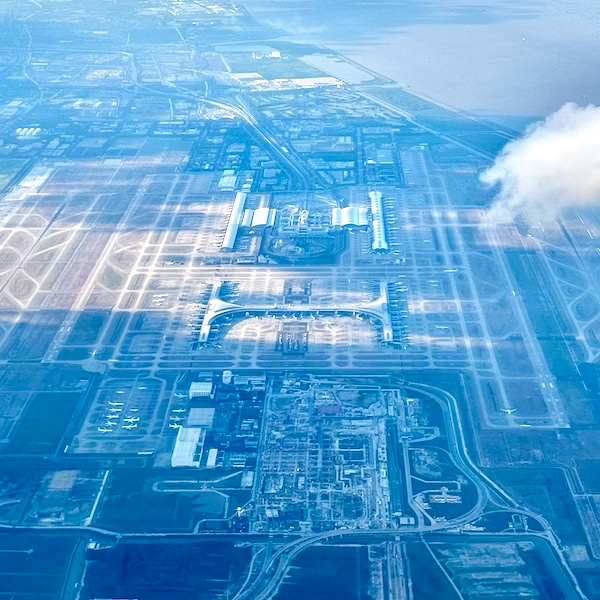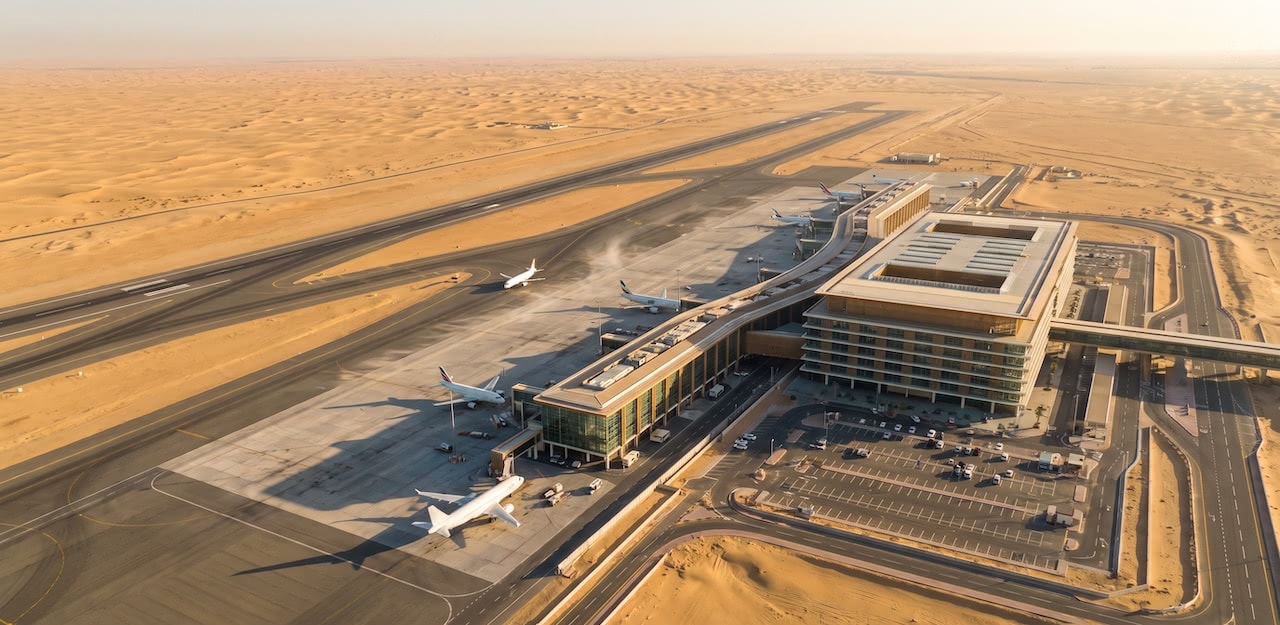

If you are looking for raw square mileage, the straightforward answer comes with an interesting twist: the largest airport in the world by land area is King Fahd International Airport (Dammam, Saudi Arabia), spanning an astounding 776 sq km (around 300 square miles).
To put that into perspective, the entire island of Menorca or the country of Andorra could comfortably fit inside its perimeter, with plenty of room left over to taxi a couple of wide-body airliners.
However, in commercial aviation, vast boundaries on a map do not necessarily translate to operational movement on the tarmac. To understand how scale really works across the industry, it helps to distinguish three key benchmarks:
- By landmass and surface area: King Fahd International (DMM) in Saudi Arabia takes the crown by a massive margin, even though the vast majority of its 776 sq km consists of undeveloped desert buffer zones.
- By passenger volume and aircraft movements: If you are wondering what is the world’s busiest airport, the undisputed leader is Hartsfield-Jackson Atlanta International Airport (ATL) in the United States, managing well over 100 million travelers each year on a remarkably compact 19 sq km footprint, a masterclass in airport slot efficiency.
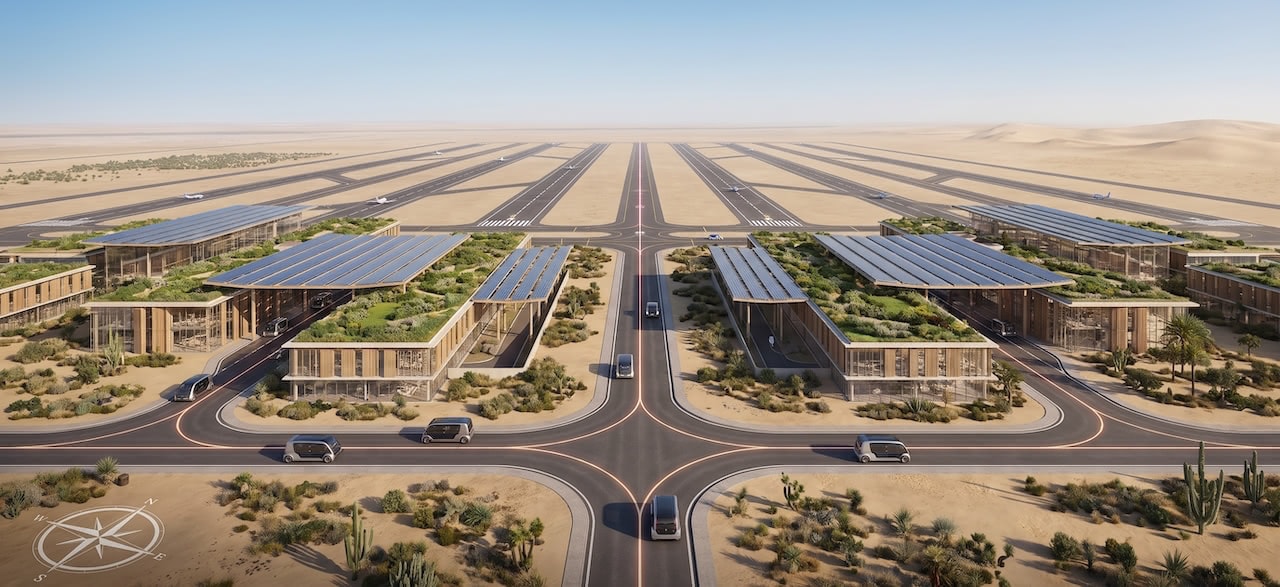
- The future megahub: Under Saudi Arabia’s Vision 2030 roadmap, the planned King Salman International Airport (Riyadh) is set to cover approximately 57 sq km with six parallel runways, engineered to accommodate more than 120 million passengers in its opening phases.