

• Dutch Roll: A Pilot’s Balancing Act

    What on earth are we talking about?

Have you ever heard of a peculiar aircraft movement called Dutch roll? This phenomenon causes the plane to sway from side to side in an oscillating manner, a bit like a ship riding the waves.

While it’s not something you’d see every day, this wind-induced effect can be rather tricky in aviation. But there’s no need to fret! To counteract this wobble, aeroplanes are fitted with a nifty system called a yaw damper.

If you’re keen to learn more about this fascinating phenomenon, this post will explain in detail what Dutch roll is, what causes it, and how pilots and aircraft technology handle it. Let’s get started!

What exactly is Dutch roll, and how does it manifest?

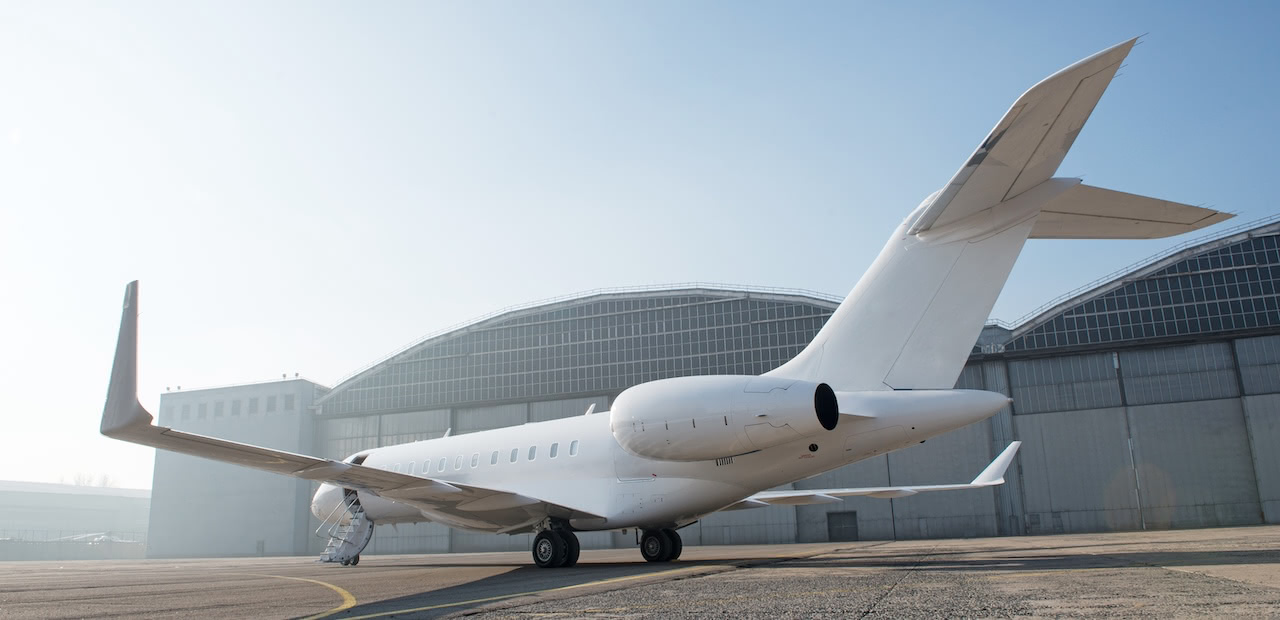
Dutch roll is a coupled, oscillatory motion in an aircraft, combining both yaw (movement around the vertical axis) and roll (rotation around the longitudinal axis). It’s triggered by a disruption, like a gust of wind, impacting the aircraft’s stability.

The sequence begins with an initial yaw at a particular angular velocity, termed the Dutch roll frequency. This initial yaw shifts one wing ahead of the other. The leading wing experiences increased lift, causing a roll in the opposite direction.

This rolling motion then leads to an adverse yaw, forcing the aircraft to yaw back in the original direction. However, this often results in overcorrection, initiating another adverse yaw in the opposite direction. This creates a cyclical, oscillating motion that, if unchecked, can escalate and potentially lead to a loss of aircraft control. Aircraft with higher roll stability are more prone to experiencing Dutch roll.

We know the concept of Dutch roll can be challenging to grasp. To aid understanding, here’s a video demonstrating the phenomenon visually.

The Origin of the Name ‘Dutch Roll’

Why the somewhat unusual name? Well, the name’s peculiar nature hints at an intriguing origin. While it might bring to mind a delectable cinnamon pastry, the connection, surprisingly, isn’t culinary.

The true etymology of “Dutch roll” remains uncertain. Several theories exist, but none have been definitively proven.

One hypothesis links it to the Dutch East Indies, suggesting the term originated from the seasickness experienced by early Dutch sailors upon returning to land after extended periods at sea – a feeling of the ground seemingly moving.

Another theory proposes a connection to the traditional Dutch style of ice skating, which involves a characteristic side-to-side rocking motion.

Regardless of its precise origins, the term “Dutch roll” is now universally understood and used by pilots worldwide.

Static vs. Dynamic Stability

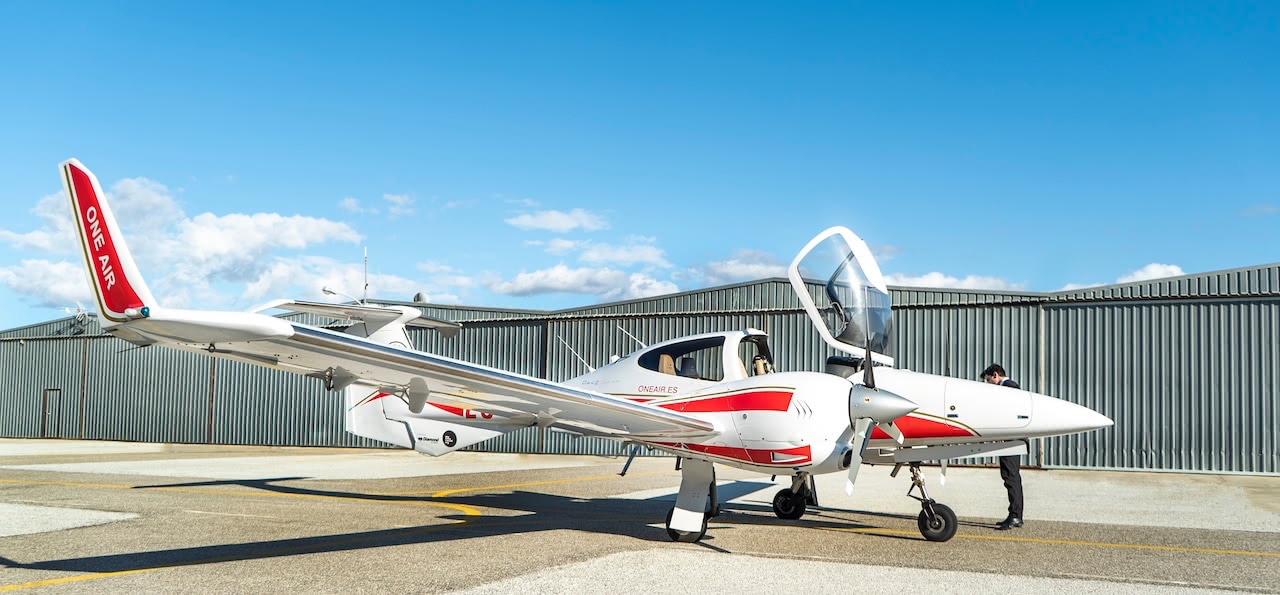
Static stability describes an aircraft’s initial tendency to return to its original position after being disturbed. Positive dihedral contributes to static stability by providing a restoring force that opposes roll disturbances. Static stability itself can be categorised as stable, neutral, or unstable – a topic deserving of its own dedicated explanation.

Dynamic stability, conversely, concerns the manner in which an aircraft returns to equilibrium – how quickly and smoothly it does so. While the dihedral angle influences dynamic stability, other factors like the aircraft’s mass and balance, and control systems are also crucial.

All civil aircraft, excluding aerobatic planes, are designed with positive static stability. This ensures that, should a disturbance occur, the aircraft will initiate a movement to return to its original attitude without requiring pilot intervention.

And what does all this have to do with the Dutch roll? Well, it is an example of dynamic instability. The Dutch roll occurs in swept-back aircraft, i.e. those in which the wings do not form a 90° angle with the fuselage but are tilted backwards, and which also reach high speeds.

The Dihedral Angle and Its Role in Aircraft Stability

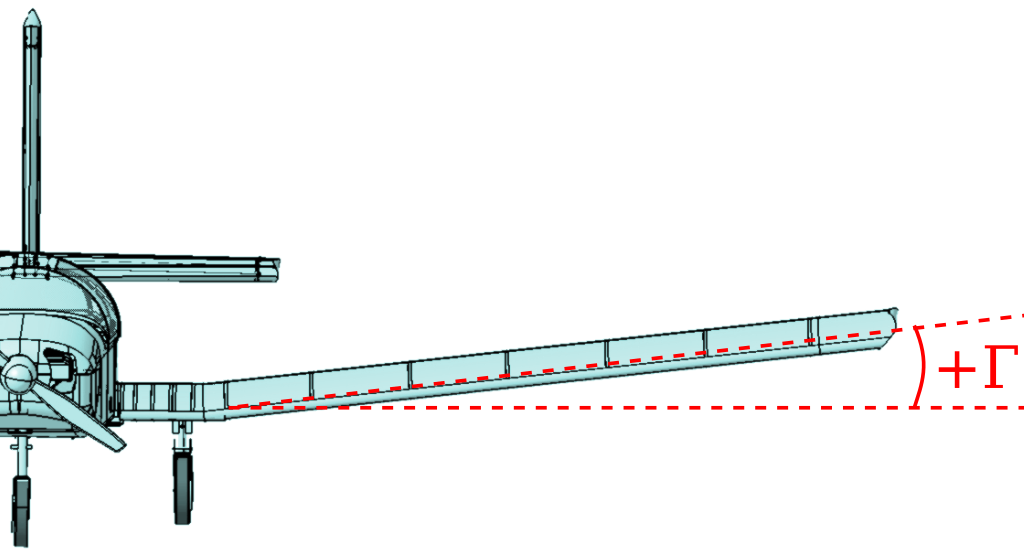
The dihedral angle, a crucial element in aircraft stability, is the upward or downward angle of an aircraft’s wings (or tail empennage) relative to the fuselage’s longitudinal axis.

This angle can be negative, positive, or neutral, and this seemingly minor design detail significantly affects an aircraft’s stability and how it handles.

Negative Dihedral

Wings angled downwards create inherent instability. Even minor disturbances can lead to uncontrolled oscillations.

Neutral Dihedral

With wings positioned horizontally, the aircraft exhibits neutral stability. It doesn’t inherently resist disturbances, nor does it amplify them like negative dihedral.

Positive Dihedral

This is the most prevalent configuration, with wings angled upwards. Positive dihedral enhances lateral stability by generating a restoring moment that counteracts roll disturbances. If the aircraft banks, the higher wing produces more lift, helping to restore level flight.

If you want to know more about wing anatomy, don’t miss our post about the differences and similarities between aeroplanes and birds.

The Yaw Damper: Mitigating Dutch Roll

Controlling an aircraft experiencing Dutch roll would be exceedingly difficult and pose a significant safety risk. Therefore, a solution was needed to counteract this inherent tendency.

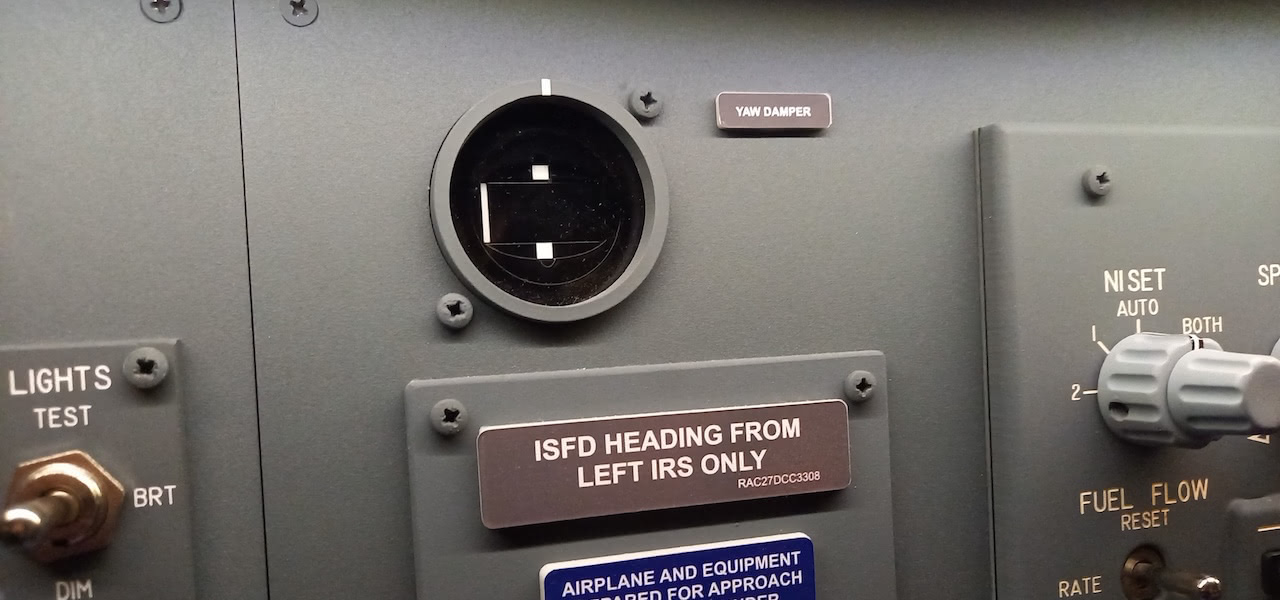
The result of extensive research was the yaw damper. This system, integrated with the autopilot, utilises data from the Air Data Computer (ADC) and a series of gyroscopes to make precise adjustments to the rudder, effectively preventing Dutch roll.

The yaw damper functions independently of whether the autopilot is engaged. Its importance is so critical that a commercial airliner is prohibited from taking off if the yaw damper is not operational.

Dutch Roll: It Was All About Aerodynamics…

So, now you’re aware that a Dutch roll is less about a sweet treat and more about aerodynamic principles.

Aviation is a field where every detail is meticulously considered, and safety is paramount.

We trust this article has provided you with a deeper understanding of this relatively obscure, yet vital, system in commercial aviation.

And if you’re interested in exploring further aviation curiosities or delving into physics concepts like the Coriolis effect, we encourage you to continue exploring our blog – be warned, it might just become your new addiction!

You may be interested…