• Cabotage: A Brief Overview

    Have you ever wondered how airlines navigate international flights?

Let’s explore a fascinating aspect of aviation regulation, cabotage.

Think of it as the right for an airline to operate commercial flights within the borders of another country. Imagine if British Airways could offer regular flights between Málaga and Barcelona, or Lufthansa served the Seville-Valencia route!

While it may sound unusual, cabotage plays a vital role in international air travel.

Understanding cabotage

In simple terms, cabotage is the right of an airline from one country (State A) to operate commercial flights that start and end within the borders of another country (State B).

It’s like a French bus company running the Madrid-Bilbao route—not something you see often in the aviation world.

This restriction is largely due to protectionism. Most countries strive to safeguard their air transport market and national airlines from direct foreign competition on domestic routes.

The Eighth and Ninth Freedoms

Cabotage is closely linked to two of the most restrictive and difficult-to-obtain freedoms of the air:

Eighth Freedom (Consecutive Cabotage)

This allows an airline from State A to carry passengers between two cities in State B, but only as part of a larger service that originates or ends in State A.

For example, a Spanish airline flying the Madrid-Brasilia-Rio route could sell tickets for the Brasilia-Rio leg if granted eighth freedom rights.

Ninth Freedom (Pure or Standalone Cabotage)

This is the most complete form of cabotage, granting an airline from State A the right to operate flights entirely within State B, without connecting to or from their home country.

An example is an Irish airline operating the domestic Valencia-Malaga route in Spain.

EXTRA: Do you know how many airlines fly from Malaga airport?

Where is cabotage possible?

Securing these rights isn’t easy, but there are exceptions! Supranational agreements that create common aviation areas make cabotage a reality in certain regions.

The Single European Sky

Within the European Union (and associated countries), airlines like Ryanair and Easyjet can operate flights between territories outside their home country with complete freedom. This is why you’ll see Ryanair flying between Spanish cities or Easyjet on domestic routes in France and Italy.

The Trans-Tasman Single Aviation Market

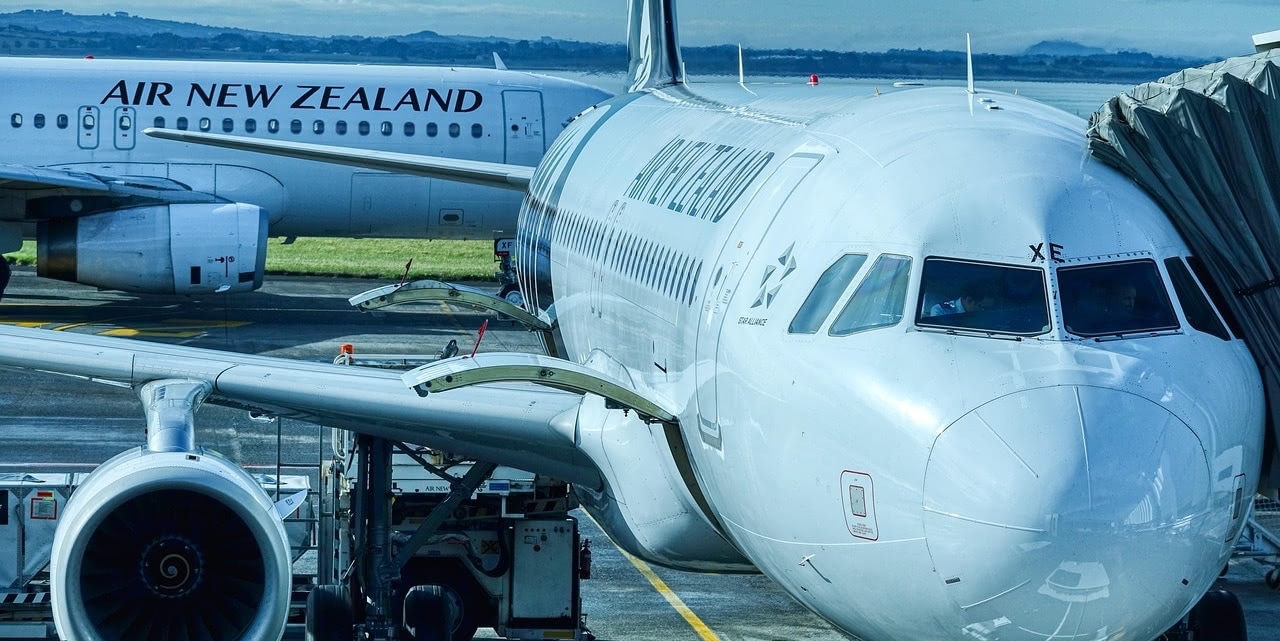
This case between Australia and New Zealand is another instance where airlines from both countries can operate freely within each other’s airspace.

Other examples of cabotage

Chile

Traditionally maintains an open skies policy, allowing foreign airlines to operate domestic routes under certain conditions.

Peru

Also has open skies policies that can facilitate the granting of cabotage rights.

ASEAN Single Aviation Market (ASEAN-SAM)

Aims to liberalise air transport among member countries, but cabotage rights are often negotiated bilaterally.

Caribbean Community (CARICOM)

There are ongoing discussions about cabotage to improve inter-island connectivity.

A note of caution: What happens if the rules are broken?

It’s important to remember that operating flights within another country without permission can be costly. Civil aviation authorities are strict about enforcing cabotage regulations.

A well-known example is when Qantas was fined for selling tickets for the US domestic leg of a flight between Sydney and New York, which had a technical stop in Los Angeles.

And that is why cabotage is a crucial concept in international air transport, allowing airlines to operate within foreign countries under certain circumstances. It’s a testament to the delicate balance between national interests and the need for global connectivity in the aviation industry.

If you’re considering to become a commercial pilot, understanding cabotage and its regulations is essential. It’s a complex yet fascinating aspect of commercial aviation that affects how airlines operate globally.

You may be interested…